
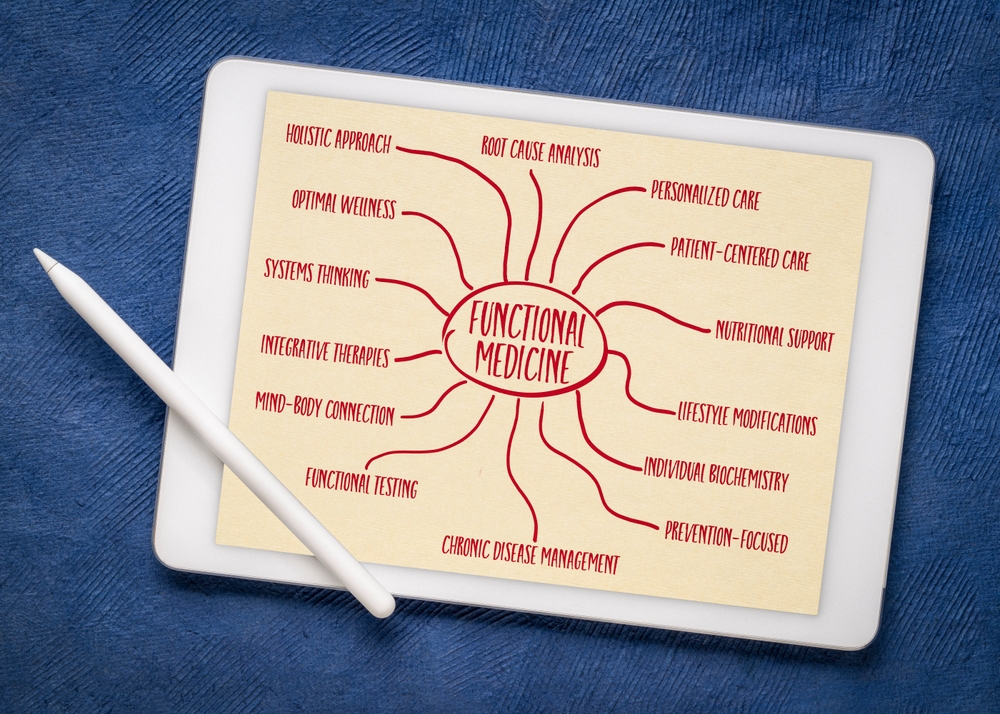
Functional Medicine in Cumming: How It’s Different From Your Annual Physical
An annual physical is one of the foundations of responsible preventive healthcare. It gives your physician an opportunity to review your medical history, update recommended screenings, evaluate important health risks, and identify conditions that may not yet be causing symptoms.
But an annual physical is not designed to answer every complex question about fatigue, weight gain, poor sleep, digestive problems, hormonal changes, inflammation, declining performance, or the feeling that something is wrong even when routine test results appear normal.
That is where functional medicine may offer a different type of evaluation.
Functional medicine in Cumming does not need to replace family medicine, preventive screenings, prescription medications, or evidence-based treatment. When practiced responsibly, it expands the clinical investigation by examining how symptoms, medical conditions, daily habits, environmental exposures, nutrition, sleep, stress, and physiology may interact.
At Carroll Total Healthcare, Dr. Brent T. Carroll combines more than two decades of family medicine experience with a whole-person, prevention-first approach. The objective is not to choose between conventional medicine and functional medicine. It is to use the appropriate elements of both to understand the patient more completely.
What Happens During an Annual Physical?
An annual physical is primarily a preventive health visit.
The exact structure varies by age, medical history, sex, risk factors, insurance coverage, and physician. A typical annual physical may include:
- Review of current medical conditions
- Medication reconciliation
- Blood pressure measurement
- Weight and body mass index
- Review of family medical history
- Age-appropriate cancer screening recommendations
- Immunization review
- Cardiovascular risk assessment
- Diabetes screening when indicated
- Cholesterol testing when indicated
- Depression, tobacco, or alcohol screening
- A general physical examination
- Basic laboratory testing when medically appropriate
Preventive medicine is a central part of family medicine. The American Academy of Family Physicians emphasizes evidence-based disease prevention, health promotion, and cost-effective screening as foundational components of primary care.
An annual physical is therefore valuable. It may identify high blood pressure, elevated cholesterol, diabetes risk, abnormal examination findings, overdue cancer screenings, medication problems, or other concerns before they become more serious.
However, preventive visits are generally structured around established screening recommendations and known risk factors. They may not provide enough time or clinical scope to investigate several interconnected chronic symptoms in depth.
What Is Functional Medicine?
The Institute for Functional Medicine describes functional medicine as a systems-oriented approach that examines the genetic, environmental, physiological, emotional, and lifestyle influences contributing to a patient’s health.
In practical terms, functional medicine asks two related questions:
- What condition or diagnosis may explain the patient’s symptoms?
- What factors may be contributing to the development, persistence, or severity of that condition?
A conventional evaluation might identify insulin resistance, hypothyroidism, iron deficiency, menopause, sleep apnea, or irritable bowel syndrome.
Functional medicine may then examine how diet, sleep, stress, medication use, physical activity, gastrointestinal health, nutrient status, body composition, environmental factors, and other medical conditions interact with that diagnosis.
Functional medicine in Cumming should not mean rejecting conventional medicine. It should mean using a broader framework while maintaining clinical discipline.
Functional Medicine vs. an Annual Physical
The most important difference is not that one is thorough and the other is superficial.
They are designed to accomplish different objectives.
| Annual Physical | Functional Medicine Evaluation |
| Emphasizes prevention and screening | Emphasizes interconnected symptoms and contributing factors |
| Reviews established health risks | Investigates patterns across multiple body systems |
| Often follows age-based guidelines | Builds a highly individualized clinical timeline |
| May include routine laboratory tests | May include targeted testing based on symptoms |
| Identifies conditions requiring treatment | Examines why a condition may have developed or persisted |
| Usually occurs once per year | May require several visits and progressive evaluation |
| Appropriate for most patients | Most useful for selected complex or chronic concerns |
Functional medicine in Cumming is not inherently better than an annual physical. It is better suited to a different type of clinical question.
A patient who needs a mammogram referral, blood pressure check, vaccination review, and cholesterol screening needs preventive primary care.
A patient with persistent fatigue, digestive symptoms, disrupted sleep, unexplained weight changes, and hormonal concerns may need a more extensive investigation in addition to routine preventive care.
1. Functional Medicine Starts With a More Detailed Timeline
A functional medicine evaluation often begins by building a chronological health history.
Dr. Carroll may look beyond the patient’s current symptoms and ask:
- When did the symptoms begin?
- What was happening medically or personally at that time?
- Did the symptoms follow an infection, injury, pregnancy, surgery, major stressor, medication change, or weight change?
- Which symptoms appeared first?
- Which symptoms occur together?
- What makes them better or worse?
- Have previous treatments changed the pattern?
- Were laboratory values trending in an unfavorable direction before becoming abnormal?
This timeline can reveal relationships that are easy to miss when every symptom is evaluated separately.
For example, a patient may report fatigue, weight gain, constipation, low mood, dry skin, heavy menstrual bleeding, and exercise intolerance. Those concerns could reflect thyroid dysfunction, iron deficiency, perimenopause, inadequate sleep, medication effects, or several overlapping conditions.
Functional medicine in Cumming examines the pattern before assigning every symptom to one convenient explanation.
2. Functional Medicine Looks Across Body Systems
Traditional medical specialties are often organized by organ system.
A cardiologist evaluates the heart. A gastroenterologist evaluates the digestive tract. An endocrinologist evaluates hormone and metabolic disorders. That specialization is essential when focused expertise is needed.
Functional medicine examines how those systems may influence one another.
Consider a patient with poor sleep.
Inadequate sleep can affect:
- Appetite regulation
- Insulin sensitivity
- Blood pressure
- Testosterone
- Cortisol signaling
- Mood
- Concentration
- Exercise recovery
- Pain sensitivity
- Food choices
The patient may initially seek care for weight gain, low libido, fatigue, or brain fog, while untreated sleep apnea or fragmented sleep contributes to all four.
A functional medicine evaluation does not assume every symptom comes from a single “root cause.” Human physiology is usually more complicated than that.
The objective is to identify the most important contributors and address them in a rational order.
3. Functional Medicine Visits Are Often More Problem-Focused
An annual physical covers many preventive topics in a limited visit.
A functional medicine appointment is generally organized around a particular problem or cluster of symptoms, such as:
- Persistent fatigue
- Unexplained weight gain
- Hormonal changes
- Poor sleep
- Digestive complaints
- Chronic pain
- Reduced exercise recovery
- Metabolic dysfunction
- Brain fog
- Recurrent inflammation
- Loss of strength or vitality
This narrower problem focus allows the physician to investigate the issue more deeply.
Functional medicine in Cumming may be particularly useful when a patient has already been told that routine laboratory results are acceptable but still has persistent, function-limiting symptoms.
That does not mean the previous evaluation was wrong. It may mean additional history, repeat testing, different testing, or investigation of another condition is necessary.
4. Laboratory Testing Is More Targeted
One of the misconceptions surrounding functional medicine is that more testing is always better.
It is not.
An indiscriminate panel containing hundreds of biomarkers can create false alarms, incidental abnormalities, unnecessary expense, and treatment directed toward numbers that have little clinical importance.
A laboratory result should be ordered because it answers a specific clinical question or meaningfully changes treatment.
Depending on the patient, Dr. Carroll may consider testing related to:
- Complete blood count
- Iron and ferritin
- Thyroid function
- Blood glucose and hemoglobin A1c
- Insulin resistance
- Cholesterol and cardiovascular risk
- Liver and kidney function
- Vitamin B12 or folate
- Vitamin D
- Reproductive hormones
- Testosterone
- Inflammatory markers
- Nutritional status
- Other condition-specific concerns
Functional medicine in Cumming should use targeted testing, not testing for its own sake.
Results must also be interpreted within the patient’s symptoms, history, medications, physical findings, and established medical evidence.
5. Lifestyle Is Treated as Clinical Information
Every physician knows that sleep, nutrition, physical activity, stress, smoking, and alcohol affect health.
The difference is how much time is spent examining them and how specifically they are incorporated into treatment.
Functional medicine may evaluate:
- Typical meals and protein intake
- Highly processed food consumption
- Meal timing
- Alcohol use
- Sleep duration and quality
- Symptoms of sleep apnea
- Strength training and aerobic activity
- Sedentary time
- Work demands
- Caregiving responsibilities
- Chronic stress
- Recovery after exercise
- Bowel habits
- Medication and supplement use
These are not secondary wellness details. They may materially affect glucose regulation, blood pressure, inflammation, gastrointestinal symptoms, hormones, mood, pain, and cardiovascular risk.
The treatment plan should also be more specific than “eat better and exercise.”
A useful plan identifies what needs to change, why it matters, how progress will be measured, and which changes are realistic for that patient.
6. Functional Medicine May Examine Earlier Dysfunction
Conventional diagnostic thresholds are necessary. They help physicians define disease consistently and determine when treatment is supported.
However, physiology can begin changing before a patient crosses a formal diagnostic threshold.
For example:
- Blood glucose may rise gradually before diabetes is diagnosed.
- Iron stores may decline before severe anemia develops.
- Blood pressure may trend upward before persistent hypertension is established.
- Strength and muscle mass may decline before obvious physical disability occurs.
- Menstrual changes may begin years before menopause.
- Sleep apnea may impair health before a patient recognizes daytime sleepiness.
Functional medicine in Cumming may look for these trends and identify opportunities for earlier intervention.
This does not mean every borderline result requires medication, supplements, or a diagnosis. Often, it means monitoring the trend and addressing modifiable risk factors before disease becomes more advanced.
7. Treatment May Combine Conventional and Complementary Approaches
Responsible functional medicine is not defined by avoiding prescriptions.
A patient may need:
- Blood pressure medication
- Thyroid medication
- Diabetes treatment
- Antibiotics
- Hormone therapy
- Physical therapy
- Imaging
- A specialist referral
- Surgery
- Evidence-based weight-management medication
- Treatment for sleep apnea
The same patient may also benefit from nutritional changes, resistance training, stress management, sleep intervention, carefully selected supplementation, or another complementary strategy.
Carroll Total Healthcare describes its philosophy as combining traditional medical diagnosis and treatment with selected holistic and complementary approaches. The practice emphasizes prevention, whole-person care, on-site testing, and investigation of underlying contributors rather than treating isolated symptoms alone.
That integrated model is different from abandoning conventional care.
Does Functional Medicine Replace Your Primary Care Doctor?
No.
Functional medicine should not replace:
- Emergency care
- Evidence-based cancer screening
- Vaccinations
- Blood pressure management
- Diabetes treatment
- Appropriate medications
- Specialist care
- Diagnostic imaging
- Surgical evaluation
- Routine family medicine
- Urgent treatment of serious symptoms
Functional medicine in Cumming is most effective when it works within competent primary care rather than outside it.
This is one of the advantages of seeing a board-certified family physician who can evaluate both routine medical needs and more complex wellness concerns.
Dr. Carroll can assess whether a patient needs a broader functional evaluation, conventional medical treatment, a sports medicine intervention, diagnostic testing, or referral to another specialist.
Is Functional Medicine Evidence-Based?
Functional medicine includes both evidence-supported principles and areas where evidence is incomplete or contested.
Strongly supported components include:
- Smoking cessation
- Appropriate nutrition
- Physical activity
- Healthy weight management
- Adequate sleep
- Treatment of sleep apnea
- Blood pressure control
- Diabetes prevention and treatment
- Stress reduction
- Medication review
- Preventive screening
- Patient-specific behavior change
Other practices associated with functional medicine may have weaker evidence, including broad commercial testing panels, unvalidated food-sensitivity tests, indiscriminate supplement protocols, unsupported detoxification claims, and treatment of vaguely defined conditions without established diagnostic criteria.
A credible functional medicine physician should distinguish between:
- Established evidence
- Reasonable clinical inference
- Emerging research
- Off-label treatment
- Investigational therapy
- Unsupported marketing claims
Functional medicine in Cumming should not require patients to accept every alternative theory or purchase an extensive supplement program.
The physician should be able to explain why each test or treatment is being recommended and what evidence supports it.
Red Flags to Avoid in Functional Medicine
Patients should be cautious when a provider:
- Claims one hidden cause explains nearly every symptom
- Orders large test panels without a clear clinical rationale
- Diagnoses disease from unvalidated testing alone
- Recommends stopping necessary medication without coordination
- Promises to cure chronic disease
- Sells the same supplement protocol to most patients
- Attributes all symptoms to toxins, mold, parasites, or inflammation
- Discourages vaccines, cancer screening, or specialist care
- Uses the word “natural” as proof of safety
- Cannot explain whether a therapy is FDA-approved, off-label, compounded, or investigational
The best functional medicine is not anti-science. It is clinically curious, individualized, and appropriately skeptical.
Who May Benefit From Functional Medicine in Cumming?
A functional medicine evaluation may be appropriate for patients who:
- Have several chronic symptoms that may be connected
- Continue to feel poorly despite a basic evaluation
- Want a more comprehensive review of metabolic health
- Are experiencing midlife hormonal or body-composition changes
- Have persistent fatigue or disrupted sleep
- Want to reduce long-term chronic disease risk
- Need help connecting lifestyle changes to medical goals
- Prefer physician-guided preventive care
- Want conventional and complementary options evaluated together
It may also benefit patients who are not currently ill but want a more deliberate strategy for protecting their healthspan.
What Should You Expect at Carroll Total Healthcare?
Carroll Total Healthcare is located at The Collection at Forsyth in Cumming, Georgia, and provides family medicine, sports medicine, regenerative medicine, diagnostic services, and whole-person care.
A functional medicine evaluation with Dr. Carroll may include:
- A detailed discussion of symptoms and goals
- Review of previous diagnoses and medical records
- Medication and supplement review
- Family and personal risk assessment
- Physical examination
- Targeted laboratory or diagnostic testing
- Identification of the most likely contributing factors
- A prioritized treatment plan
- Follow-up to evaluate objective and subjective progress
The word “prioritized” matters.
Patients with multiple symptoms often receive too many recommendations at once. A more effective plan identifies the issues with the greatest clinical importance and addresses them in a sequence the patient can realistically follow.
Functional Medicine and Your Annual Physical Work Better Together
An annual physical answers essential preventive questions:
- Are your screenings current?
- Is your blood pressure controlled?
- Are you at risk for diabetes or cardiovascular disease?
- Are medications and vaccinations up to date?
- Are there signs of an undiagnosed condition?
Functional medicine asks additional questions:
- Why did these symptoms begin?
- Which systems may be interacting?
- What factors are perpetuating the problem?
- What can be changed before the condition progresses?
- Which treatment offers the greatest leverage?
- How will improvement be measured?
Patients should not have to choose between these approaches.
At its best, functional medicine in Cumming builds on the foundation of primary care and preventive medicine.
The Bottom Line
An annual physical remains an important part of maintaining health. It provides evidence-based screening, risk assessment, preventive care, and an opportunity to identify disease early.
Functional medicine serves a different purpose.
It provides a more detailed investigation of chronic symptoms, physiology, lifestyle, medical history, and the relationships between different health concerns.
At Carroll Total Healthcare, Dr. Brent T. Carroll combines board-certified family medicine experience with a prevention-first, whole-person approach. He uses conventional diagnosis and treatment while also examining the broader factors that may influence a patient’s health and quality of life.
Patients seeking functional medicine in Cumming, Vickery, Windermere, Creekstone Estates, Polo Golf and Country Club, The Manor, and throughout Forsyth County can receive comprehensive care without abandoning the safeguards of evidence-based medicine.
The goal is not simply to obtain normal test results.
It is to understand what those results mean for the person living with them and build a medically sound plan for better long-term health.
Frequently Asked Questions About Functional Medicine in Cumming
What is functional medicine?
Functional medicine is a whole-person medical framework that evaluates how genetics, lifestyle, environment, physiology, and medical conditions may interact. It focuses on identifying contributing factors while still treating established diagnoses appropriately.
Is functional medicine the same as holistic medicine?
The terms overlap but are not identical. Holistic medicine emphasizes the whole person. Functional medicine generally uses a structured systems-based framework to investigate the biological and lifestyle contributors to symptoms and disease.
Does functional medicine replace an annual physical?
No. An annual physical provides preventive screenings, risk assessment, vaccinations, medication review, and routine primary care. Functional medicine may supplement that care when a patient needs a deeper investigation.
Does functional medicine involve laboratory testing?
It may. Testing should be selected according to the patient’s symptoms, history, risk factors, and the specific clinical question being investigated.
Will a functional medicine doctor prescribe medication?
Yes, when medication is medically appropriate. Functional medicine does not require avoiding prescription treatment.
Is functional medicine covered by insurance?
Coverage varies by plan, provider, service, testing, and whether a visit is considered preventive or diagnostic. Patients should verify coverage and expected costs before extensive testing.
How is Dr. Carroll’s approach different?
Dr. Carroll combines more than 20 years of family medicine experience with sports medicine, preventive care, regenerative medicine, and a whole-person treatment philosophy. This allows him to evaluate complex symptoms without separating functional concerns from the patient’s broader medical care.
Where is Carroll Total Healthcare located?
Carroll Total Healthcare is located at 410 Peachtree Parkway, Suite 4226, in The Collection at Forsyth in Cumming, Georgia.
Medical Disclaimer: This article is provided for general educational purposes and does not constitute individualized medical advice, diagnosis, or treatment. Functional medicine should complement, not replace, appropriate preventive care, emergency care, specialist evaluation, or evidence-based medical treatment.